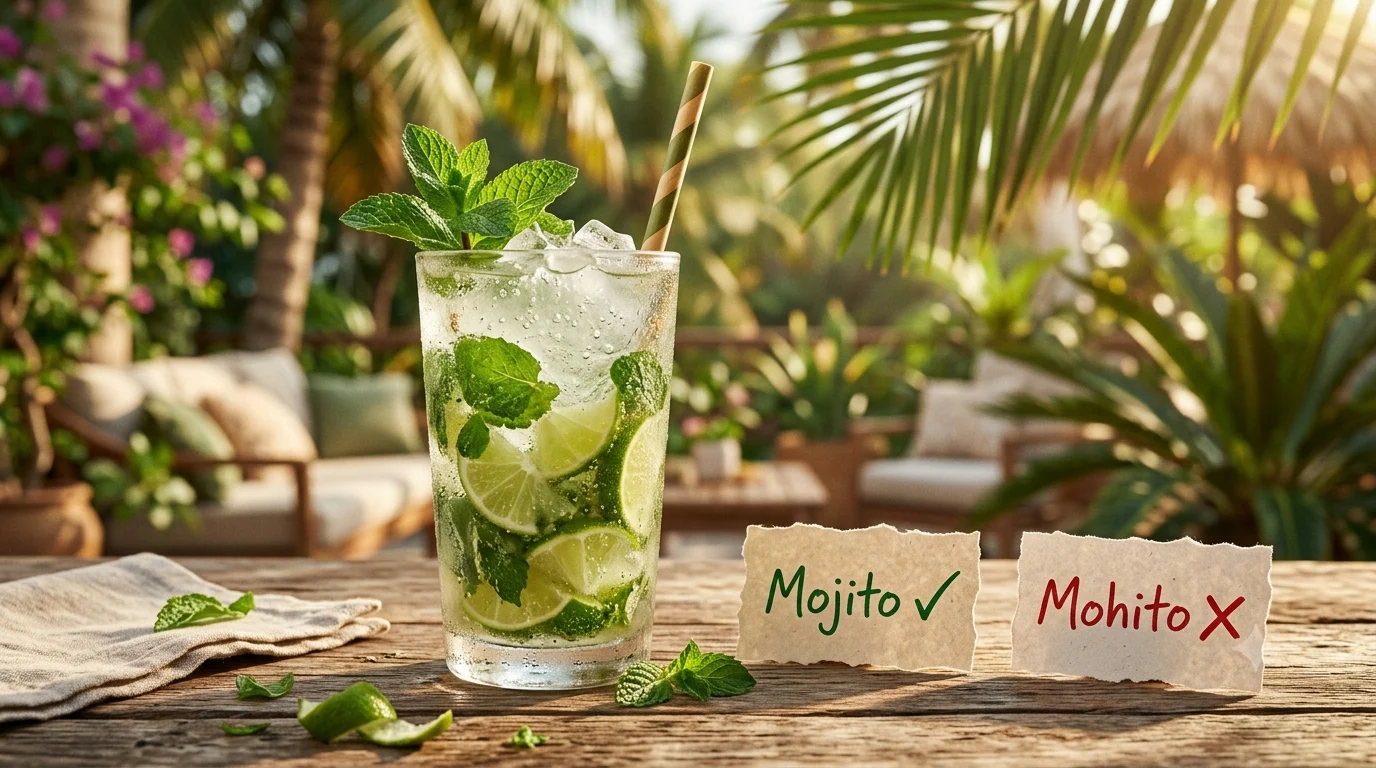
Is it mojito or mohito? This question haunts millions of people every month. You hear someone order a “mo-HEE-toe” at a bar and you wonder – is that with a J or an H? The confusion is real and completely understandable.
The Mojito pronunciation sounds like “moh-hee-toe” because the word comes from Spanish, where the letter “J” makes an “H” sound. So when people hear it, they naturally want to spell it with an “H.” This guide will solve the mohito or mojito debate once and for all.
You’ll learn the correct spelling, why the confusion exists, and how to use this word perfectly in any situation. Whether you’re writing a blog, ordering a drink, or making a virgin mojito at home, you’ll never get it wrong again. Let’s dive into the refreshing world of this classic Cuban cocktail.
Mojito vs Mohito
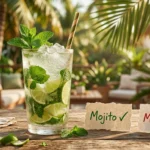
The correct spelling is “mojito” with a “J.” The Mojito pronunciation is “mo-HEE-toe,” with the “J” sounding like an “H” because it’s a Spanish word. “Mohito” is a common misspelling based on how people hear the word spoken aloud. Every dictionary, bar menu, and recipe book uses “mojito.” If you write “mohito,” you’re making a spelling error.
Examples:
- ✅ Correct: “Can I have a mojito with extra mint?”
- ❌ Incorrect: “Can I have a mohito with extra mint?”
Think of it like this: San Jose is pronounced “San Ho-ZAY” but spelled with a “J.” Don Juan is “Don Hwan” but spelled with a “J.” The same rule applies to mojito. The spelling stays Spanish even when the pronunciation sounds different to English ears.
The Origin of Mojito
Word History and Cultural Roots
The word “mojito” comes from American Spanish. It is the small form of “mojo,” which means a citrus sauce or marinade. The root word “mojar” means “to moisten” or “to dip” in Spanish. This makes perfect sense because the mojito drink is all about freshness and moisture.
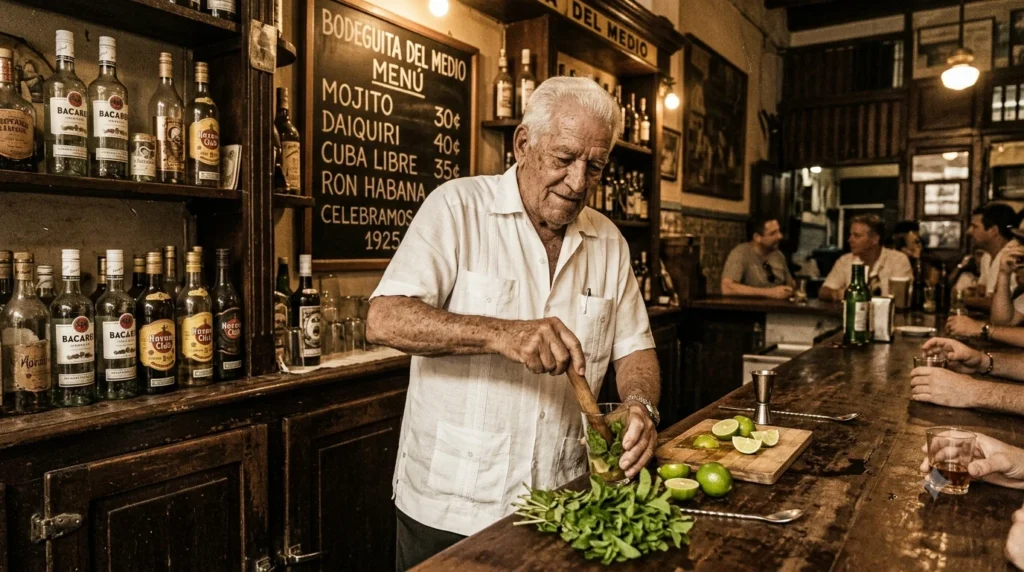
The mojito was born in Cuba during the 16th century. Some historians say it was created by African slaves working in Cuban sugar cane fields. They mixed Mojito ingredients like sugar cane juice, lime, and mint to make a refreshing drink. Others say the famous pirate Sir Francis Drake invented it in the 1500s. His version was called “El Draque” after him.
By the 1800s, the modern mojito was perfected in Havana. It became a favorite of Cuban locals and tourists alike. The drink exploded in global popularity when Ernest Hemingway made it famous. He lived in Havana and loved drinking mojitos at La Bodeguita del Medio bar. He even wrote: “My mojito in La Bodeguita, my daiquiri in El Floridita.”
The word spread around the world. Today, it’s the second most searched cocktail globally with 1.2 million monthly searches. But with fame came confusion. The Mojito pronunciation caused people to misspell it as “mohito.” This is why you see both spellings online, even though only one is correct.
Why Spelling Differences Exist
The spelling confusion exists for one simple reason: phonetics. When English speakers hear “mo-HEE-toe,” they hear an “H” sound. Their brain automatically wants to write “mohito.” This is the same reason people write “nucular” instead of “nuclear” or “expresso” instead of “espresso.” They write what they hear.
The confusion between mohito or mojito is also fueled by search engines. Many people type “mohito” into Google because they don’t know the correct spelling. Google understands this and shows mojito results anyway. This creates the false impression that both spellings are acceptable.
But here’s the truth: “mohito” is always wrong. It’s a phonetic error. The correct spelling is always “mojito” with a “J.” Now that you know the reason, you’ll never make this mistake again.
British English vs American English Spelling
Spelling Rules and Pronunciation Differences
Both British and American English use the exact same spelling: “mojito.” This is because it’s a loanword from Spanish. Loanwords keep their original spelling in both forms of English. The only difference is a tiny pronunciation variation.
| Feature | British English | American English |
|---|---|---|
| Spelling | mojito | mojito |
| Pronunciation | muh-HEE-toe | mo-HEE-toe |
| Stress | Second syllable | Second syllable |
| Vowel Sound | Short “o” at start | Long “o” at start |
| Dictionary | Cambridge, Collins | Merriam-Webster |
| Usage | Common in UK pubs | Common in US bars |
The Cambridge Dictionary lists the UK pronunciation as /məˈhiː.təʊ/. The “ə” sound is like the “a” in “about.” The US pronunciation is /moʊˈhiː.t̬oʊ/. The “oʊ” sound is like the “o” in “go.” Both sound almost identical to most people.
Important: Despite these tiny pronunciation differences, the spelling never changes. You write “mojito” in London and you write “mojito” in New York. The “J” remains the same everywhere.
Examples in Sentences:
- British: “Fancy a mojito at the pub tonight, mate?”
- American: “Let’s grab a mojito at the rooftop bar.”
Which Spelling Should You Use?
For American Audiences
Always use “mojito.” This is the spelling in all American dictionaries. It’s what Americans expect to see on menus and in recipes. If you write “mohito,” Americans will think you made a spelling mistake. They won’t take your content seriously.
For British and Commonwealth Audiences
Always use “mojito.” British English follows the same rule. The Collins Dictionary lists only “mojito” as correct. Australians, Canadians, and Indians also use “mojito.” The “H” spelling is never accepted in formal writing.
For Global and Non-Native Audiences
Always use “mojito.” This is the internationally recognized spelling. It’s used in all English-speaking countries. Even in countries where English is a second language, “mojito” is the standard. The only people who use “mohito” are those who don’t know the correct spelling.
Professional Writing Contexts
| Context | Recommended Spelling | Reason |
|---|---|---|
| Bar menus | Mojito | Industry standard |
| Recipe books | Mojito | Published by all major publishers |
| News articles | Mojito | AP and BBC style guides |
| Social media | Mojito | Expected by audiences |
| Academic writing | Mojito | Required by all style guides |
| Advertising | Mojito | Brand consistency |
Rule of thumb: If you’re writing for any audience anywhere in the world, use “mojito.” There is no situation where “mohito” is correct.
Common Mistakes with Mojito
Frequent Errors and How to Fix Them
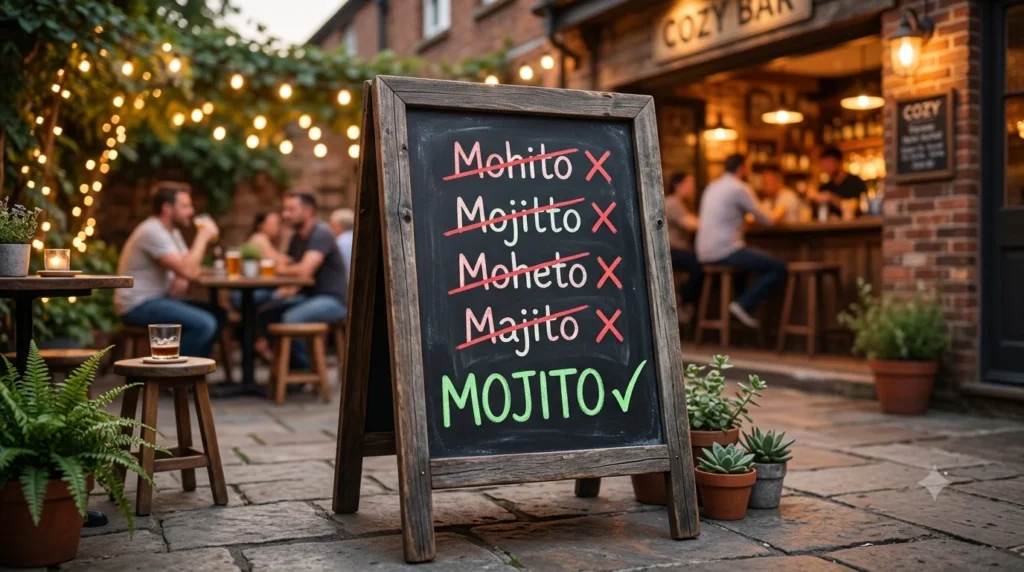
People make several spelling mistakes with this word. Here are the most common ones and why they’re wrong:
| Mistake | Correction | Why It’s Wrong |
|---|---|---|
| ❌ Mohito | ✅ Mojito | Wrong letter – should be “J” |
| ❌ Mojito (hard J) | ✅ Mojito (H sound) | Wrong pronunciation |
| ❌ Mohjito | ✅ Mojito | Extra “H” after “J” is incorrect |
| ❌ Mojitto | ✅ Mojito | Only one “T” in Spanish |
| ❌ Mojihto | ✅ Mojito | Wrong letter order |
| ❌ Moheto | ✅ Mojito | Wrong vowels |
| ❌ Majito | ✅ Mojito | Wrong vowel sound |
Pronunciation Mistakes
The biggest mistake is pronouncing the “J” as a hard “J” like in “jump.” Many people say “mo-JEE-toe” with a strong “J” sound. This is completely wrong. The Mojito pronunciation is always “mo-HEE-toe” with a soft “H” sound.
Think of these similar words:
- Jalapeño = ha-la-PAY-nyo (not ja-la-PEE-no)
- Jose = ho-ZAY (not joe-Z)
- Juan = hwan (not joo-an)
The “J” in Spanish always sounds like an English “H.” This is the golden rule. Remember it and you’ll never mispronounce mojito again.
Mojito in Everyday Examples
Emails and Business Communication
“Hi Team, I’ve booked the rooftop bar for Friday. They make an amazing mojito with fresh mint from their garden. Hope to see you all there!”
“Dear Client, thank you for the wonderful dinner. The mojito cocktail you recommended was absolutely perfect. We’d love to visit again.”
“To whom it may concern, our new summer menu features a signature mojito made with organic lime and premium Cuban rum. We invite you to try it.”
News Headlines and Journalism
“Mojito Named World’s Second Most Popular Cocktail” – The drink now has 1.2 million monthly searches globally, trailing only the margarita.
“Virgin Mojito Sales Surge as Health Trends Rise” – More people are choosing the non-alcoholic version of the classic Cuban drink.
“New Study Reveals Mojito Ingredients May Have Health Benefits” – Mint and lime are rich in antioxidants.
Social Media Posts and Influencer Content
“Nothing beats a fresh mojito on a hot summer afternoon! 🍹 Which version do you prefer – classic rum or virgin mojito? Comment below! #Mojito #SummerVibes”
“Just made my first mojito at home! 🌿 Fresh mint from my garden, organic limes, and the perfect amount of sugar. Recipe link in bio!”
“Trying a strawberry mojito for the first time. Game changer! 🍓 Who else loves fruit mojitos?”
Formal and Academic Writing
“The mojito is a classic Cuban cocktail consisting of five primary Mojito ingredients: white rum, sugar, lime juice, soda water, and fresh mint leaves.”
“For non-alcoholic alternatives, the virgin mojito offers identical sensory characteristics without the presence of ethanol.”
“The mojito exemplifies the cultural exchange between Caribbean slave communities and Spanish colonial traditions.”
Mojito – Google Trends & Usage Data
Global Search Popularity
The mojito is a worldwide phenomenon. Here are the numbers:
| Metric | Data |
|---|---|
| Global monthly searches | 1,200,000+ |
| Global rank among cocktails | #2 (after margarita) |
| Most searched mocktail | #1 worldwide |
| UK monthly searches | 49,500 |
| US peak month | July (summer) |
| Top state in US | Louisiana |
| Year-over-year growth | +12% |
Popularity by Country
The mojito is most popular in:
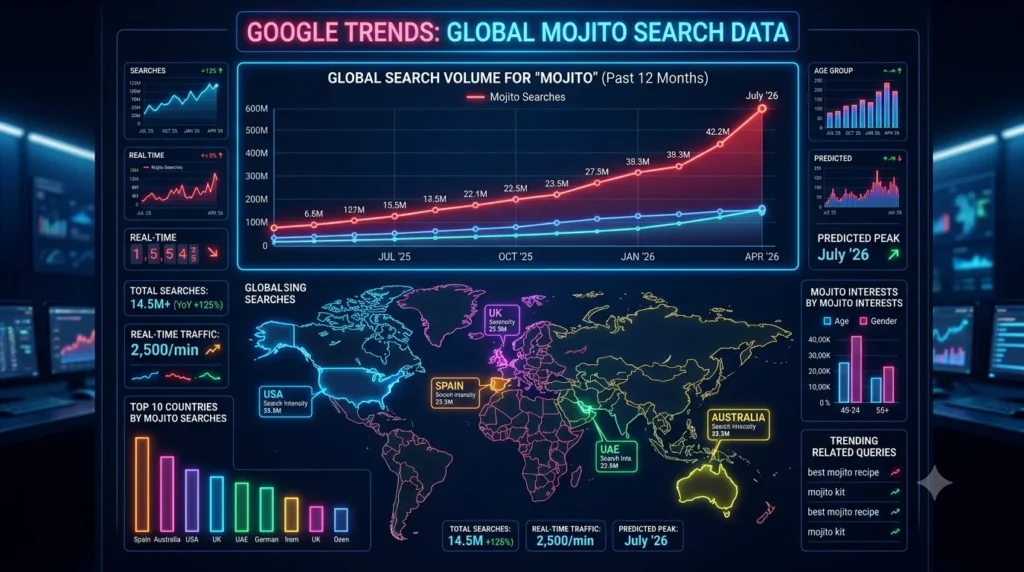
- United States – Highest total search volume
- United Kingdom – 5th most popular cocktail
- Spain – Very high due to language connection
- Mexico – Popular tourist drink
- Australia – Summer favorite
- UAE – Virgin mojito is massively popular
Trending Contexts
People search for mojito in these contexts:
- Alcoholic Version – “Is mojito alcoholic?” (Yes, classic version has rum)
- Non-Alcoholic Version – “Virgin mojito recipe” (33,000+ monthly searches)
- Ingredients – “Mojito ingredients list” (popular for home preparation)
- Syrups – “Mojito Syrup” (easy way to make the drink faster)
- Mocktails – “Mojito mocktail” (rising trend in Middle East and Asia)
Seasonal Trends
The mojito peaks in:
- June–August (Northern hemisphere summer)
- December–January (Southern hemisphere summer)
- Ramadan (UAE – virgin mojito searches spike)
This data shows why you need to know the correct spelling. More than 1.2 million people search for this word every month. If you use the wrong spelling, your content won’t appear in search results.
Mojito Variations Comparison Table
| Variation | Spelling | Pronunciation | When to Use | Correct? |
|---|---|---|---|---|
| Classic Mojito | Mojito | mo-HEE-toe | Standard cocktail | ✅ Yes |
| Virgin Mojito | Virgin mojito | VUR-jin mo-HEE-toe | Non-alcoholic version | ✅ Yes |
| Mojito Mocktail | Mojito mocktail | mo-HEE-toe MOK-tayl | Fancy non-alcoholic term | ✅ Yes |
| Mojito Syrup | Mojito syrup | mo-HEE-toe SEER-up | Pre-made mix | ✅ Yes |
| Mohito | Mohito | mo-HEE-toe | Common misspelling | ❌ No |
| Mojitto | Mojitto | mo-JEE-toe | Incorrect spelling | ❌ No |
| Moheto | Moheto | mo-HEE-toe | Phonetic error | ❌ No |
| Mojito (Spanish) | Mojito | mo-HEE-toe | Native Spanish spelling | ✅ Yes |
FAQs
Is it mojito or mohito?
It is mojito with a “J.” This is the only correct spelling in every English dictionary. “Mohito” is a misspelling based on how the word sounds. Always use “mojito” in writing.
What alcohol is in mohito?
The correct spelling is “mojito.” The classic mojito drink contains white rum (also called light rum). Cuban white rum is the traditional choice. Some variations use dark rum or even vodka, but the classic recipe always uses white rum.
Can Muslims drink mojitos?
The classic mojito contains rum, making it an alcoholic drink. For Muslims who follow Islamic dietary laws, the virgin mojito is a great alternative. It has all the same fresh flavors but zero alcohol. The mojito mocktail is widely available in Middle Eastern hotels and restaurants.
Will one mojito get you drunk?
One standard mojito has about one shot of rum (1.5 oz or 44 ml). Most people will not feel drunk after one. You might feel a slight relaxation or buzz. It has similar alcohol to a glass of wine. Two or three mojitos in a short time can cause drunkenness, especially on an empty stomach.
What are the ingredients in a mojito?
The classic Mojito ingredients are:
- White rum (2 oz)
- Fresh lime juice (1 oz)
- Sugar or simple syrup (2 teaspoons)
- Fresh mint leaves (6–8 leaves)
- Soda water (2 oz)
- Ice
What is a virgin mojito?
A virgin mojito is the non-alcoholic version of this famous cocktail. It uses all the same Mojito ingredients except the rum. Instead of rum, it has extra soda water or ginger ale. It’s also called a mojito mocktail. This version is perfect for children, pregnant women, designated drivers, and anyone avoiding alcohol.
Is mojito alcoholic?
Yes, the classic mojito is alcoholic because it contains white rum. The alcohol content is about 10–15% ABV. This is similar to wine. However, the virgin mojito has zero alcohol. When people ask “Is mojito alcoholic?,” they usually want to know about the classic version. The answer is yes, but you can easily make a non-alcoholic version at home.
What is Mojito Syrup?
Mojito Syrup is a pre-made sweetener that has mint and lime flavors. It saves time when making the drink at home. Instead of muddling fresh mint and sugar, you just add the syrup. It makes the process faster. You can buy it in many grocery stores or online.
Why is mojito pronounced with an H?
The Mojito pronunciation has an “H” sound because of Spanish language rules. In Spanish, the letter “J” always sounds like an English “H.” This is the same reason Jalapeño is “ha-la-PAY-nyo” and Jose is “ho-ZAY.” The word comes from Spanish, so it keeps Spanish pronunciation.
How can I remember the correct spelling?
Use this simple trick: J = Jump in Cuba. The “J” in mojito reminds you it’s a Cuban drink. Or think of “Just order mojito” – both start with “J.” Another trick: Mint + Orange + Juice + Ice + Tequila? No! The word starts with “moj,” not “moh.” Practice writing it a few times and it will become natural.
Conclusion
The mohito or mojito confusion is completely understandable. When you hear the Mojito pronunciation as “mo-HEE-toe,” your brain wants to write what you hear. But the correct spelling is always “mojito” with a “J.” This is the only spelling accepted in dictionaries, on bar menus, in recipe books, and in professional writing.
The word comes from Spanish, where the “J” makes an “H” sound. This is the same reason jalapeño sounds like “ha-la-PAY-nyo” and Jose sounds like “ho-ZAY.” The spelling never changes, even when the pronunciation sounds different to English ears.
Now you know the difference. You know the history. You know the rules. You can confidently write about this classic Cuban cocktail without worrying about spelling errors. Whether you’re writing a blog, posting on social media, emailing a client, or ordering at a bar, use “mojito.”
If you want a non-alcoholic version, ask for a virgin mojito or mojito mocktail. If you’re making it at home, look up the classic Mojito ingredients and enjoy. If someone asks you “Is mojito alcoholic?,” you can explain that the classic version has rum but the virgin version doesn’t.
Remember the golden rule: Always use “mojito” with a “J.” This one simple rule will make you look professional, educated, and confident. Now go enjoy a perfectly spelled mojito – or a virgin mojito if you prefer. Cheers! 🍹

“E. M. Delafield creates warm, thoughtful, and inspiring wishes that help readers express their feelings clearly and choose the perfect words for every occasion.”